11 Nov 2022

11 Nov 22 - Indonesia - Banda Sea Cruise Day 16 - The Morning On Tanahjampea

The morning of our last full day of the Banda Sea Cruise saw us landing on the island of Tanahjampea. Like Kalaotoa Island that we visited the previous day, we had left the Lesser Sundas region of Indonesia & were in the Sulawesi region. This group of islands are separated from the Lesser Sundas by a very deep canyon in the Flores Sea. We saw a good selection of Birds on the island.
Coming into land on Tanahjampea
Black-naped Fruit-dove: This is the melanauchen subspecies which occurs in Java, the Lesser Sundas & the Islands South of Sulawesi. The black nape can be tricky to see without a good view of the back of the head
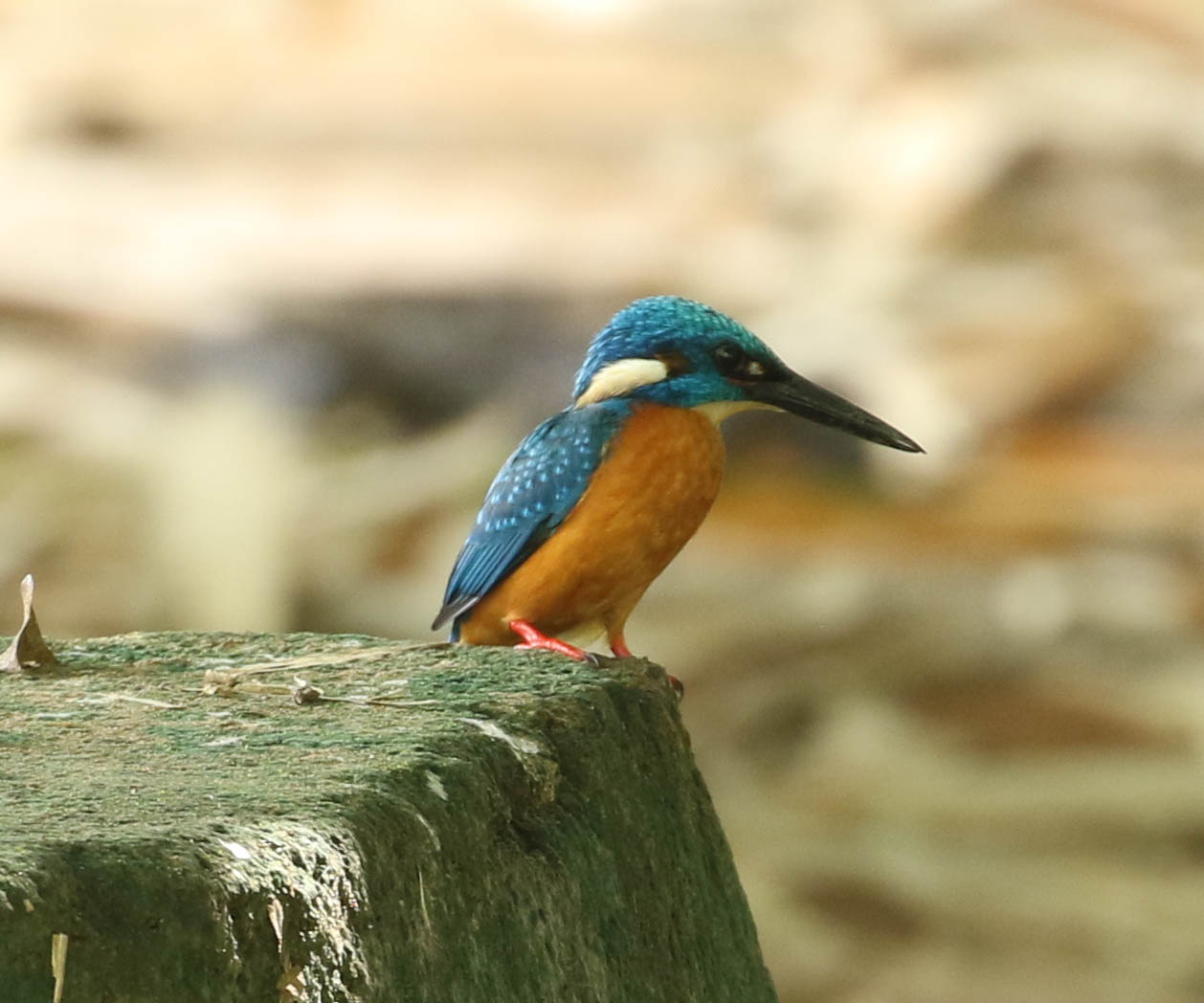
Kingfisher: This is the hispidoides subspecies which occurs in Sulawesi to Moluccas in Indonesia, New Guinea & the Bismarck Archipelago. This subspecies is grouped with the salomonensis subspecies of the Solomon islands in the Cobalt-eared group of subspecies of Common Kingfisher: the remaining subspecies are grouped together with the nominate subspecies
Collared Kingfisher: This is the nominate chloris subspecies which occurs in Sulawesi, the Lesser Sundas & Moluccas in Indonesia & North West New Guinea
Temminck's Elegant Pitta: Elegant Pitta has now been split into three species: Banda Sea Pitta, Temminck's Elegant Pitta (which IOC call Elegant Pitta) & Wallace's Elegant Pitta (which IOC call Ornate Pitta). This is the virginalis subspecies which occurs on Tanahjampea, Kalaotoa & Kalao Islands. I saw one of its other two subspecies on Sumba in my Indonesian trip in 1991
White-shouldered Triller: This is a monotypic species which occurs on East Java, Bali, parts of Sulawesi & the Lesser Sundas
Black-naped Oriole: This is the boneratensis subspecies which occurs on the Flores Sea islands
Lemon-bellied White-eye: This is the intermedius subspecies which occurs on South Sulawesi & the large Sulawesi islands of Muna & Butung, to Flores & Sumbawa
Lemon-bellied White-eye: I love the way White-eyes are happy to hang in many different directions to look for food
Red-chested Flowerpecker: This is the splendidum subspecies which occurs on Tanahjampea & Salayar Islands in the Flores Sea
Black-faced Munia: This is a monotypic species that occurs in the lowlands of Wallacea, except for the Lesser Sundas
Black-faced Munia: It's not often I manage to photograph a bird's underwing whilst perched
Despite all the of land where we landed having been cultivated, it appeared that the local Birds had adapted to this degraded habitat
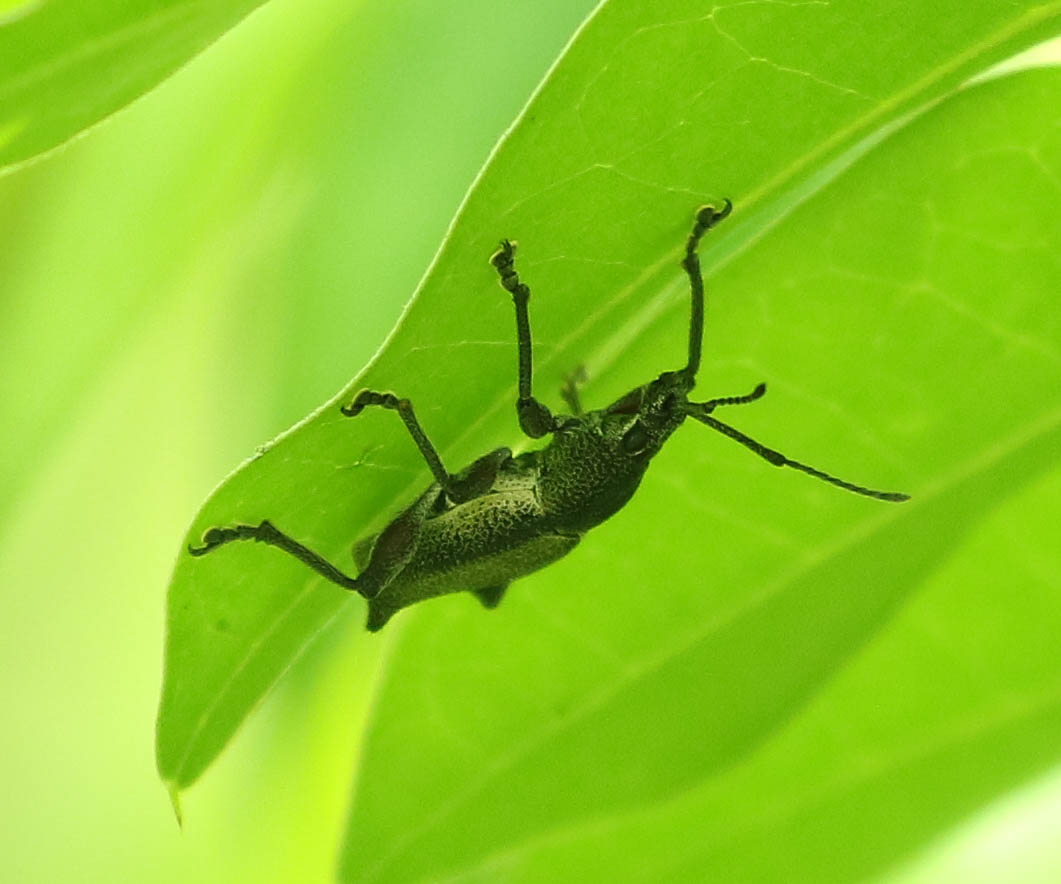
Indonesian Beetle sp: This looks like a Weevil
Indonesian Beetle sp: I'm not really sure if this is a Beetle or something different
I will cover the remaining species we saw on Tanahjampea in the next Blog Post.

10 Nov 2022

10 Nov 22 - Indonesia - Banda Sea Cruise Day 15 - An Afternoon On Kalaotoa

Finally, we were close to Kalaotoa Island.
Local houses on the beach
Osprey: These two Ospreys were enjoying this navigation tower
We were now very used to these beach landings
We saw a reasonable number of species in the scrubby bushes & cultivation on the island. However, we also spend too much time unsuccessfully trying to see our first Temminck's Elegant Pitta of the trip in the dense scrub.
Wilbur & some of the dense scrub
Flores Sea Cuckoo Dove: This is the longa subspecies which occurs on the Flores Sea islands of Kalaotoa & Tanahjampea
Flores Sea Cuckoo Dove: There is another subspecies that occurs in South West Sulawesi & some neighbouring islands
Banda Sea Gerygone: This is the senex subspecies which occurs on the Flores Sea islands of Kalaotoa & Madu. This is also known as Rufous-sided Gerygone
Rusty-breasted Golden Whistler: This is the everetti subspecies which occurs on the Flores Sea islands & the Tukangbesi Islands nearer to Sulawesi
Black-naped Oriole: This is the boneratensis subspecies which occurs on the Flores Sea islands
Olive-backed Sunbird: Male. This is the teysmanni subspecies which occurs on the Flores Sea islands of Kalaotoa, Tanahjampea, Kalao, Bonerate & Madu
Olive-backed Sunbird: Female. The Birds of the Indonesian Archipelago has proposed that the Indonesian subspecies should be split from those subspecies that occur in South East Asia, the Philippines, the Bismarck & the Solomon Islands, but this hasn't been adopted by Clements & the IOC
Osprey: One of the Ospreys had a fly around in the late afternoon
There were several Cashew Nut orchards
This looks like the foul-smelling, but supposedly delicious-tasting Durian fruit
We headed back to the Lady Denok just before the light gave out. There were two final Sulawesi islands to visit on the next day.

10 Nov 22 - Indonesia - Banda Sea Cruise Day 15 - Fraser's Dolphins

We were still at sea on the crossing from Pantar Island to Kalaotoa Island when we woke up. Just after 05:30, we saw a large pod of Dolphins in the distance. Initially, the views were poor & the light wasn't great. A few were seen jumping, but they were still distant. Our initial thought based upon the first sightings was they were probably Indo-Pacific Bottlenose Dolphins, based upon the small size. But we didn't realise at the time that they were Fraser's Dolphins. It would have been easy had we checked the photos at the time, but none of the photographers including myself did check them.
Fraser's Dolphin: Looking at these photos I can see why we initially thought they were Indo-Pacific Bottlenose Dolphins
Fraser's Dolphin: Had I looked at this distant photo, then it would have been obvious it wasn't a pod of Indo-Pacific Bottlenose Dolphins
Fraser's Dolphin: A second individual. The pinky belly with the thin dark & pale stripes on the sides of the body rule out Indo-Pacific Bottlenose Dolphin & looks good for Fraser's Dolphin
Fraser's Dolphin: A clearer view of the facial stripe
Fraser's Dolphin
Fraser's Dolphin: A third individual
Suddenly, somebody spotted one of the Dolphins was right next to the starboard side of the Lady Denok. There was time to grab a few photos, as well as, to just enjoy the spectacle. Soon after, more Fraser's Dolphins were seen much further out on the starboard side, but they were too far out for any worthwhile photos. As the Fraser's Dolphins moved past the Lady Denok, we saw a distant pod of Blackfish, which were probably Short-finned Pilot Whales, but I didn't get good views of them & they quickly disappeared from view. As a result, I didn't go back to look at the Dolphin photos. So, it was a pleasant surprise when I came to sort these photos out to see these blatantly obvious Fraser's Dolphin photos, rather than the Indo-Pacific Bottlenose Dolphins we had initially called them as. It was nice to get a belated Cetacean Tick.
Fraser's Dolphin: It is clearly a small tubby Dolphin with a very short beak which would eliminate Indo-Pacific Bottlenose Dolphin
Fraser's Dolphin
Fraser's Dolphin: This is an uncropped photo & I couldn't fit it all in. Sometimes having a 100 - 400 mm lens & a 1.6 magnification within the camera is just too big an effective magnification
Fraser's Dolphin: The dark & light stripes on the sides of the body & the distinctive short beak are diagnostic of Fraser's Dolphin
As we got closer to Kalaotoa we saw a small pod of Dolphins that looked like Indo-Pacific Bottlenose Dolphins. They appear to be small uniform-coloured Dolphins with short & chunky beaks. I had previously posted photos of what I thought were Indo-Pacific Bottlenose Dolphins, but which were subsequently reidentified as Spinner Dolphins. But the Spinner Dolphins had proportionally longer & thinner beaks.
Indo-Pacific Bottlenose Dolphin
At one point, we also saw a couple of Cuvier's Beaked Whales.
Cuvier's Beaked Whale: The first individual showing the typical paler head
Cuvier's Beaked Whale: The second individual
It had been a good crossing for Cetaceans. But finally, we could see Kalaotoa & we had to get ready for the afternoon landing.

10 Nov 22 - Indonesia - Banda Sea Cruise Day 15 - Reflecting On Red-necked Phalaropes

I was up as usual around first light when we were at sea. We had spent the previous day from late morning sailing from Pantar in the Lesser Sundas to Kalaotoa. It is a long journey & we were still at sea and didn't expect to reach the island until early afternoon. Kalaotoa is part of the Southern-most islands in the Sulawesi group and it would produce a few Sulawesi species, once we arrived. But first we had a morning at sea until we reached Kalaotoa. This was an opportunity for some Seabirds.
Great Frigatebird: The lack of white axillaries confirms this is a Great Frigatebird
Red-footed Booby: Subadult of the rubripes subspecies which breeds in the Tropical Pacific & Indian Oceans
Red-footed Booby: Subadult
Red-footed Booby: Adult
Bridled Tern: this is the nominate anaethetus subspecies which occurs in the Ryukyu Islands, Taiwan, the Philippines, Indonesia & Australia. The longer white supercilium with the white extending behind the eye confirms these are Bridled Terns
Crested Tern
I do enjoy getting to photograph reflections of Birds, but I rarely get the chance. Today’s glass-like seas & some close Red-necked Phalaropes provided the opportunity for some nice reflections.
Red-necked Phalarope
Red-necked Phalarope: Reflections from one of the above group
Red-necked Phalarope
Red-necked Phalarope: Another party
Red-necked Phalarope
The glass-like seas
Occasionally we saw these floating structures, but it wasn't clear what they were
Finally, we realised the floating structures were mooring buoys
Another local fishing boat